
Sensory Integration Therapy
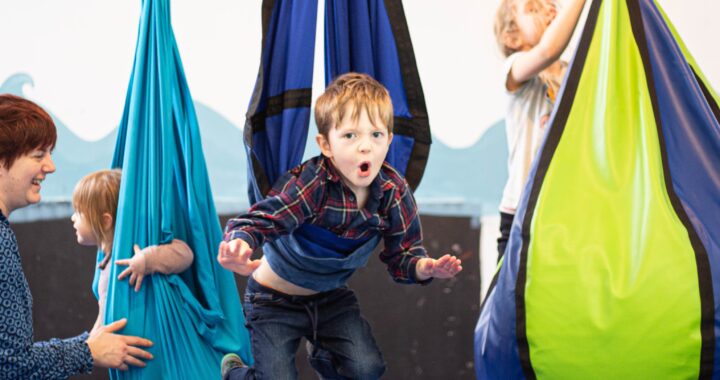
Sensory Integration (SI) Therapy is a specialist form of treatment developed by Jean Ayres, designed to help children with sensory-processing difficulties. It should only be carried out by a qualified practitioner, that has undertaken additional, postgraduate training in SI. SI therapy includes structured exposure to sensory input, through carefully designed set up of the therapy space. Also customised physical activities and accommodations to environment or routines.
Sensory Integration Therapy: Unlocking the World of Sensory Processing
- Introduction:
Sensory Integration Therapy is a specialized form of occupational therapy designed to help individuals process and respond to sensory information effectively. For children with sensory processing disorders, this therapy can make a significant difference in their daily lives. In this article, we’ll delve into the world of sensory integration, exploring its importance, techniques, and real-life impact. Sensory Integration (SI) Therapy is a specialist form of treatment developed by Jean Ayres, designed to help children with sensory-processing difficulties.
It should only be carried out by a qualified practitioner, that has undertaken additional, postgraduate training in SI.
SI therapy includes structured exposure to sensory input, through carefully designed set up of the therapy space. Also customised physical activities and accommodations to environment or routines.
Exploring the Senses: An Overview of Sensory Integration
Sensory integration refers to the brain’s ability to organize and interpret sensory information from the environment. This includes sensations such as touch, smell, taste, sight, sound, and movement. For some children, this process doesn’t occur as efficiently, leading to difficulties in regulating their responses to sensory input.
Common Signs and Symptoms of Sensory Processing Disorders
Children with sensory processing disorders may exhibit a range of symptoms, including hypersensitivity or hyposensitivity to sensory stimuli, difficulty with motor coordination, challenges with attention and focus, and behavioral issues. These symptoms can significantly impact their daily functioning and quality of life.
The Role of Occupational Therapy in Sensory Integration
Occupational therapists play a crucial role in helping children with sensory processing disorders. Through sensory integration therapy, therapists work to create individualized treatment plans tailored to each child’s specific needs. These plans often include sensory-based activities and exercises aimed at improving sensory processing and integration skills.
Sensory Integration Therapy Techniques and Approaches
There are various techniques and approaches used in sensory integration therapy, including:
- Sensory diets: Structured schedules of sensory activities designed to regulate sensory input throughout the day.
- Deep pressure therapy: Applying firm pressure to the body to promote relaxation and reduce sensory sensitivity.
- Vestibular and proprioceptive activities: Activities that stimulate the vestibular and proprioceptive systems, such as swinging, jumping, and heavy work tasks.
Real-Life Success Stories: How Sensory Integration Therapy Helps Children Thrive
Countless children have benefited from sensory integration therapy, experiencing improvements in their sensory processing skills, motor coordination, attention, and behavior. For example, a child who once struggled with sensory overload in crowded environments may learn to tolerate and even enjoy such situations with the help of therapy.
Conclusion:
Sensory integration therapy is a valuable tool for children with sensory processing disorders, helping them unlock their potential and thrive in their daily lives. By understanding the importance of sensory integration and accessing appropriate therapy services, children and their families can experience significant improvements in overall well-being.

Leave a Reply