Play as an Occupation
Play is a child’s main occupation. It gives them a chance to practice skills they have learnt in a way that is fun for them.
Occupational therapists use play to support therapy, which encourages children to attend the sessions.

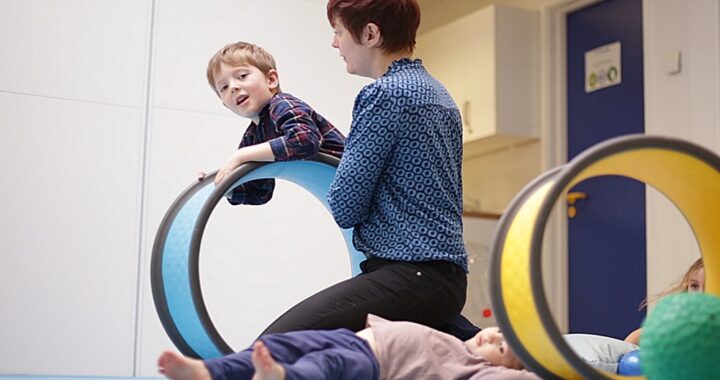
Play is a child’s main occupation. It gives them a chance to practice skills they have learnt in a way that is fun for them.
Occupational therapists use play to support therapy, which encourages children to attend the sessions.
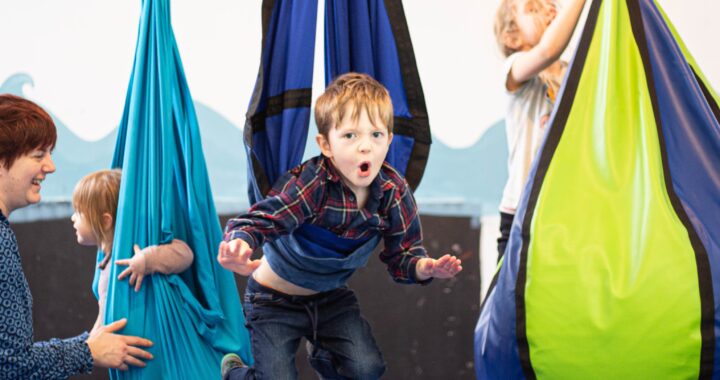
Sensory Integration (SI) Therapy is a specialist form of treatment developed by Jean Ayres, designed to help children with sensory-processing difficulties. It should only be carried out by a qualified practitioner, that has undertaken additional, postgraduate training in SI. SI therapy includes structured exposure to sensory input, through carefully designed set up of the therapy space. Also customised physical activities and accommodations to environment or routines.
Sensory Integration Therapy is a specialized form of occupational therapy designed to help individuals process and respond to sensory information effectively. For children with sensory processing disorders, this therapy can make a significant difference in their daily lives. In this article, we’ll delve into the world of sensory integration, exploring its importance, techniques, and real-life impact. Sensory Integration (SI) Therapy is a specialist form of treatment developed by Jean Ayres, designed to help children with sensory-processing difficulties.
It should only be carried out by a qualified practitioner, that has undertaken additional, postgraduate training in SI.
SI therapy includes structured exposure to sensory input, through carefully designed set up of the therapy space. Also customised physical activities and accommodations to environment or routines.
Sensory integration refers to the brain’s ability to organize and interpret sensory information from the environment. This includes sensations such as touch, smell, taste, sight, sound, and movement. For some children, this process doesn’t occur as efficiently, leading to difficulties in regulating their responses to sensory input.
Children with sensory processing disorders may exhibit a range of symptoms, including hypersensitivity or hyposensitivity to sensory stimuli, difficulty with motor coordination, challenges with attention and focus, and behavioral issues. These symptoms can significantly impact their daily functioning and quality of life.
Occupational therapists play a crucial role in helping children with sensory processing disorders. Through sensory integration therapy, therapists work to create individualized treatment plans tailored to each child’s specific needs. These plans often include sensory-based activities and exercises aimed at improving sensory processing and integration skills.
There are various techniques and approaches used in sensory integration therapy, including:
Countless children have benefited from sensory integration therapy, experiencing improvements in their sensory processing skills, motor coordination, attention, and behavior. For example, a child who once struggled with sensory overload in crowded environments may learn to tolerate and even enjoy such situations with the help of therapy.
Sensory integration therapy is a valuable tool for children with sensory processing disorders, helping them unlock their potential and thrive in their daily lives. By understanding the importance of sensory integration and accessing appropriate therapy services, children and their families can experience significant improvements in overall well-being.
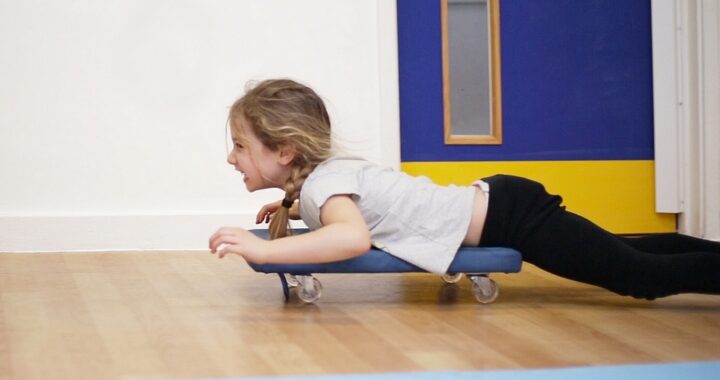
Sensory attachment intervention is a form of therapy for children who have experienced developmental trauma. It draws on theory from attachment and sensory integration.
 Book free consultation call